About Sewage Treatment Plant Effluent Treatment Plant Organic Waste Composter Calculation Clients Contact Us

Sewage Treatment Plants MBBR, MBR & SBR Technologies

Advanced biological treatment systems for residential, commercial and industrial projects.

200+
INSTALLATIONS ACROSS INDIA
4
TREATMENT TECHNOLOGIES
Sewage Treatment Plant

Four technologies, each suited to a different site.

01—04
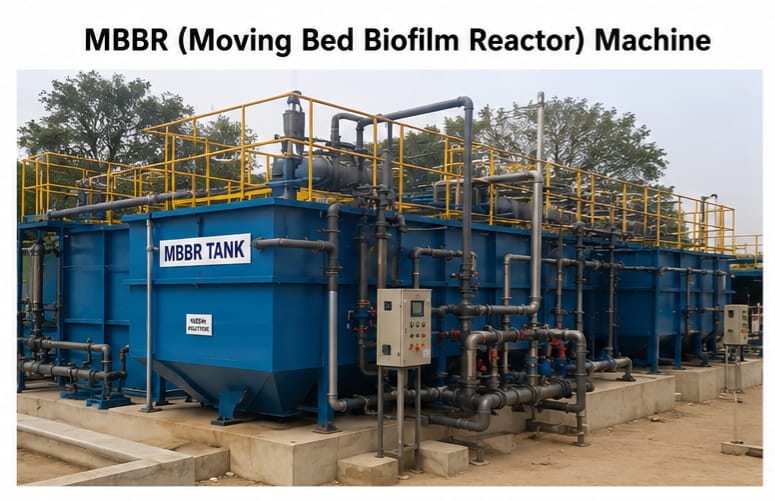
MBBR moving bed bio film reactor installation
01

MBBR

Moving Bed Bio Film Reactor. Biofilm-coated media holds stable BOD/COD removal through fluctuating loads, in a smaller footprint.

RESIDENTIAL / COMMERCIAL / INDUSTRIAL
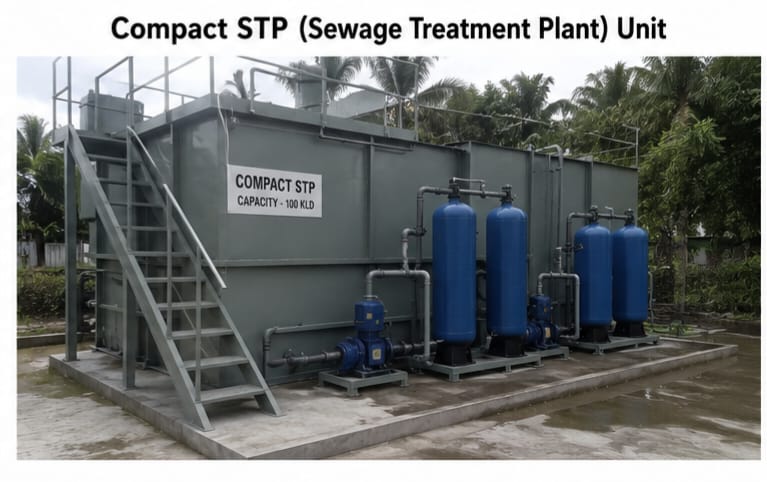
Compact pre-fabricated sewage treatment unit
02

Compact Unit

MSEP / MSFRP pre-fabricated units. Easy install, corrosion-resistant, built for sites with limited space.

SPACE-CONSTRAINED SITES
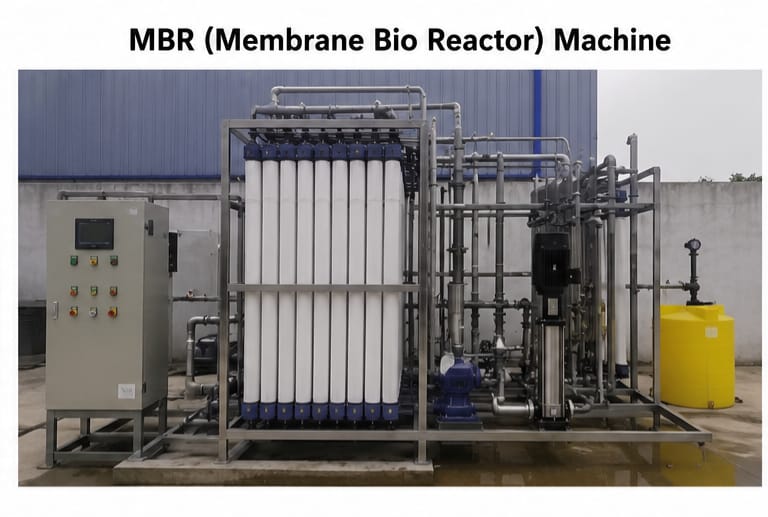
MBR membrane bio-reactor tank
03

MBR

Membrane Bio-Reactor. Biological treatment plus UF/MF filtration for water clean enough to reuse in flushing and gardening.

PREMIUM RESIDENTIAL PROJECTS
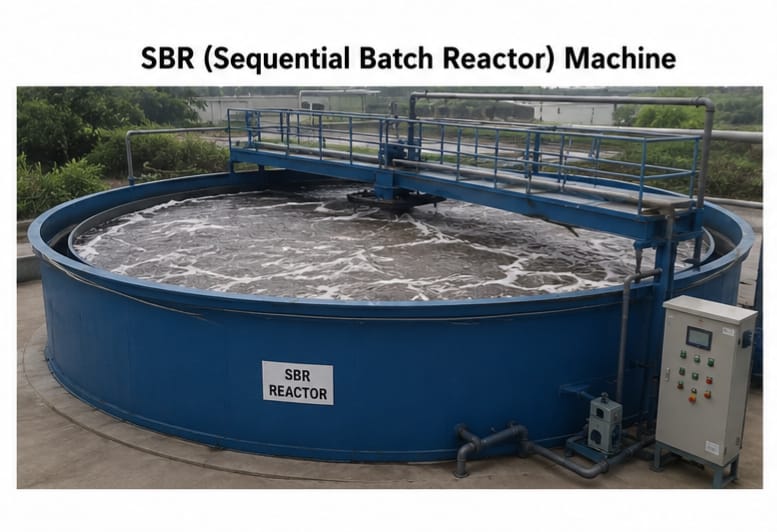
SBR sequencing batch reactor tank with aeration
04

SBR

Sequencing Batch Reactor. Cyclic Fill, Aeration, Settle, Decant — high removal performance, low sludge generation.

CONSISTENT, AUTOMATED OPERATION
Technology Explorer

One click, one complete recovery flow.

Select each technology to see the exact treatment sequence, equipment logic, and final output in a structured way.

SYSTEM TYPE

MBBR

Floating biofilm media promotes strong biological oxidation of organic load while keeping the plant compact and stable under variable guest occupancy or flow conditions.

01ScreeningBar screen / inlet chamber
02EqualisationFlow balancing tank
03MBBR ReactorFloating media + aeration
04SettlingClarifier / secondary tank
05Filter FeedPolishing pump & tertiary filter
06Reuse / OutletFlushing, gardening, or discharge
01
Raw Sewage Inlet

Incoming sewage enters the plant through a coarse screen and then passes into the equalisation chamber for stable feed.

02
Biofilm Growth Zone

The MBBR tank uses high-surface-area plastic media on which bacteria grow and break down BOD and COD.

03
Continuous Aeration

Air blowers and diffusers keep the media in motion and maintain oxygen-rich conditions for consistent organic removal.

04
Secondary Clarification

Suspended solids settle out in the clarifier, while sludge is returned or wasted to the sludge management line.

05
Tertiary Polishing

A final filter or polishing stage improves clarity and ready-to-reuse quality before storage or outlet.

SYSTEM TYPE

Compact Unit

Compact pre-fabricated units are ideal where footprint is limited. They combine aerobic treatment, settling, and storage in a modular and fast-to-install layout.

01Inlet ChamberScreening and grit trap
02AerationCompact reactor chamber
03SettlingClarifier / separator
04PolishingUV / chlorination / filtration
05Reuse TankStored for horticulture or flushing
01
Primary Separation

Coarse solids are screened before the sewage enters the compact treatment cell.

02
Embedded Aeration

The unit performs continuous biological oxidation in a small enclosed reactor and reduces organic load quickly.

03
Settling Chamber

Suspended biological flocs settle in the integrated clarifier zone, keeping the output stable.

04
Polishing Outlet

Optional tertiary disinfection/filtration gives a cleaner water stream suitable for non-potable reuse.

SYSTEM TYPE

MBR

MBR adds a membrane barrier to the biological tank, delivering very low suspended solids and a consistently high-quality treated water output.

01ScreeningInlet screen
02BioreactorAerobic biological tank
03Membrane UnitUF/MF membrane filtration
04Permeate TankClean treated water
05Sludge ReturnWaste sludge line
01
Screened Feed

Incoming sewage first passes a screen to remove coarse solids before entering the biological stage.

02
Biological Oxidation

An aerated bioreactor removes BOD and ammonia using mixed liquor suspended biomass.

03
Membrane Filtration

The mixed liquor is filtered through micro or ultra membranes, giving a crisp, low-TSS outlet.

04
Reuse Grade Water

The final permeate is collected for reuse in flushing, landscaping, or cooling with minimal post-treatment.

SYSTEM TYPE

SBR

SBR works in time-based batches in a single tank. The reactor follows a repeated cycle of fill, react, settle, and decant to achieve excellent control and low sludge output.

01FillInfluent enters batch reactor
02ReactAeration + biological treatment
03SettleBiological solids settle
04DecantClarified water removed
05Sludge WasteExcess sludge to disposal
01
Batch Fill

A measured inflow fills the reactor, setting the starting volume for the treatment cycle.

02
Reaction Phase

Aeration and mixing break down organic load while the biomass remains in the same reactor.

03
Settling Phase

Mixing is stopped so solids settle cleanly, leaving a clear supernatant above.

04
Decanting

The clarified treated water is decanted for storage, polishing, or reuse.

FAQ

Frequently asked questions.

Everything about sewage treatment plants.

Difference between MBBR, MBR and SBR?

MBBR uses floating biofilm media. MBR combines biological treatment with membranes for highest quality. SBR processes batches in a single tank. Choice depends on space, budget and output needs.

How much space does an STP need?

A 50 KLD MBBR plant needs ~20x15 ft. MBR is more compact. Our team provides a layout during the site assessment.

What is the maintenance cost?

Annual maintenance is typically 5-8% of capital cost. We offer comprehensive AMC packages.

How long does installation take?

8-12 weeks from order depending on capacity and site. Modular units are faster.

Is treated water safe for reuse?

Yes. Our STPs produce water suitable for gardening, flushing and cooling. Tertiary treatment can meet stricter standards.